
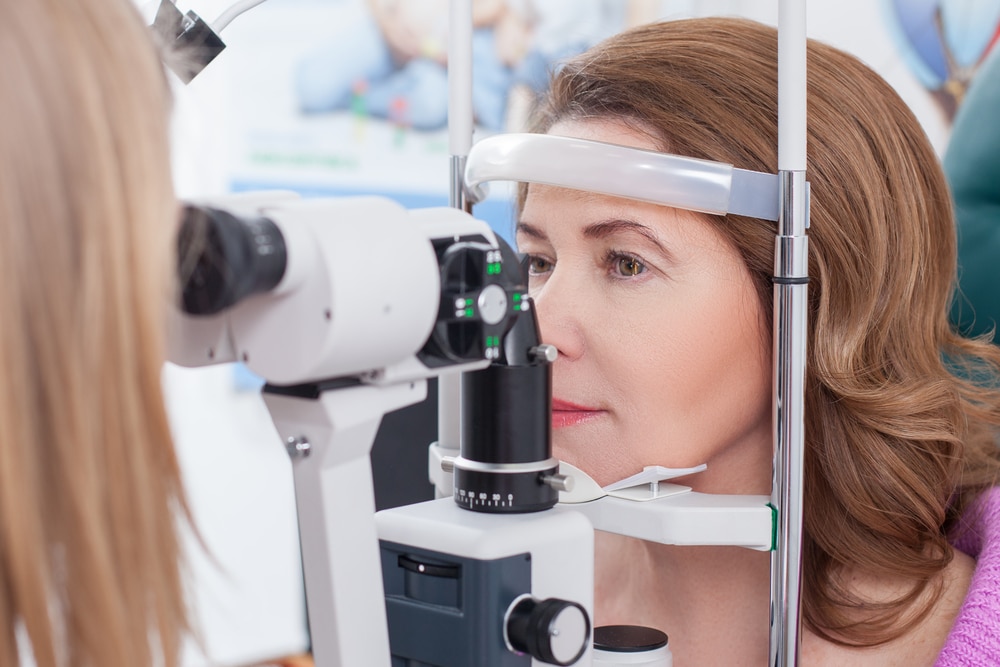
At Eye Care Institute in Santa Rosa, CA, our team of board-certified ophthalmologists, including Daniel G. Rich, MD, Nina Ni, MD, Lillian Yang, MD, Arwa Alsamarae, MD, Avni Shah, MD, Venkatesh Brahma, MD, Madeline Ripa, MD, and optometrist Bruce P. Abramson, OD, provides advanced corneal care for individuals throughout Sonoma County. Our goal is simple: to help you see the very best that you can.
What Is a Corneal Transplant?
A corneal transplant is a surgical procedure that replaces damaged or unhealthy corneal tissue with healthy donor tissue. It is often considered when other treatments are no longer able to provide adequate vision improvement or symptom relief.
Conditions That Commonly Lead to a Corneal Transplant
Some of the most common reasons a corneal transplant may be recommended include:
- Keratoconus: Keratoconus causes the cornea to gradually thin and bulge outward into a cone-like shape. As the condition progresses, vision can become increasingly distorted and difficult to correct.
- Fuchs’ Dystrophy: This progressive corneal disease affects the cells that maintain corneal clarity. Over time, swelling can develop, leading to blurry vision, glare, and discomfort.
- Corneal Scarring: Scarring may occur after eye infections, injuries, or previous eye conditions. Significant scarring can interfere with how light enters the eye and reduce visual clarity.
- Severe Corneal Infection: Certain infections can permanently damage corneal tissue. When vision is affected and the damage cannot be repaired, a transplant may be recommended.
- Corneal Injury or Trauma: Accidents, chemical burns, and other forms of eye trauma can cause lasting corneal damage that affects vision and eye health.
Protect Your Vision With Expert Care
At Eye Care Institute, we are committed to helping you protect and improve your vision. To learn whether a corneal transplant may be right for you, schedule a consultation with our team in Santa Rosa, CA. Call 707-546-9800 today.
Disclaimer: The information provided on this blog is for informational purposes only and should not be considered medical advice. Consult your PCP or eye doctor before starting any new therapies. To schedule a consultation, please contact us.